Chemical and Refining

Stakeholder Engagement

Eco & Partner Consult has proven expertise in managing community and other stakeholder expectations, and in facilitating community involvement, even in conflict situations.

Our stakeholder engagement team works combine the highest standards of verbal and visual communication with in-depth technical expertise to ensure in-depth and accurate presentation of the project related information to the different stakeholders. We consider stakeholder engagement as a platform for identifying the environmental and social issues that matter most for the business.

By informing and engaging all stakeholders in a way that is independent and impartial we aim to maintain the highest levels of trust and integrity. We ensure a wide range of groups and individuals are involved; from the client and consulting teams, through statutory consultees and both national and local special interest stakeholder groups, to the wider community.


Technical support includes:

  • Identifying key stakeholders i.e., Project Affected Persons (PAPs)
  • Developing stakeholder engagement plans and activities appropriate for the various stakeholders including stakeholder trainings
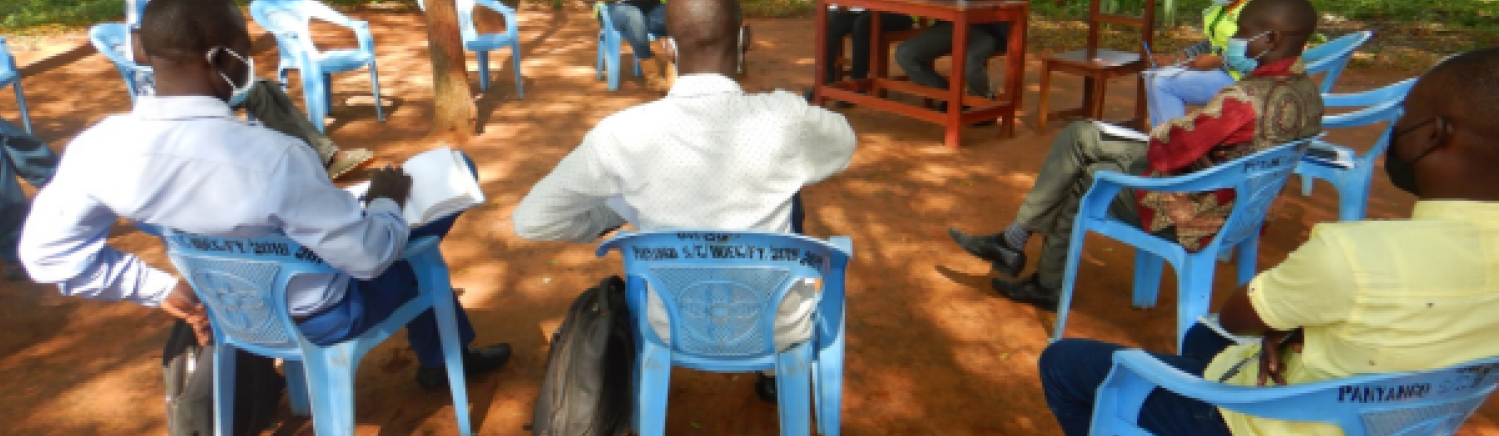
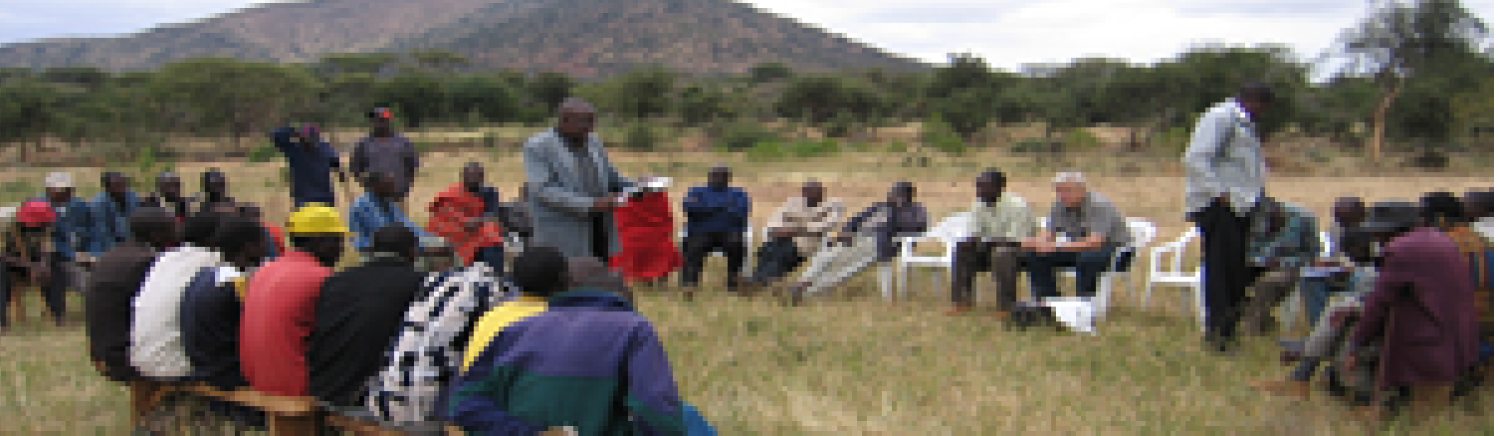
  • Organizing and managing the engagement process and organizing meetings, workshops and focus groups and wider public events and exhibitions
  • Facilitating technical and non-technical workshops, telephone interviews and focus groups, planning and design events and chairing meetings
  • Producing all supporting material including copywriting, media relations, graphics and multimedia design and print management
  • Ongoing reporting and integration of views in project and programme design,
  • Developing grievance mechanisms (for country and international standards)
  • Development of stakeholder engagement plans

Social Surveys & Performance


Stakeholder Engagement – Rev6

Service

Stakeholder Engagement

Eco & Partner Consult has proven expertise in managing community and other stakeholder expectations, and in facilitating community involvement, even in conflict situations.

Our stakeholder engagement team works combine the highest standards of verbal and visual communication with in-depth technical expertise to ensure in-depth and accurate presentation of the project related information to the different stakeholders. We consider stakeholder engagement as a platform for identifying the environmental and social issues that matter most for the business.

By informing and engaging all stakeholders in a way that is independent and impartial we aim to maintain the highest levels of trust and integrity. We ensure a wide range of groups and individuals are involved; from the client and consulting teams, through statutory consultees and both national and local special interest stakeholder groups, to the wider community.


Technical support includes:

  • Identifying key stakeholders i.e., Project Affected Persons (PAPs)
  • Developing stakeholder engagement plans and activities appropriate for the various stakeholders including stakeholder trainings
  • Organizing and managing the engagement process and organizing meetings, workshops and focus groups and wider public events and exhibitions
  • Facilitating technical and non-technical workshops, telephone interviews and focus groups, planning and design events and chairing meetings
  • Producing all supporting material including copywriting, media relations, graphics and multimedia design and print management
  • Ongoing reporting and integration of views in project and programme design,
  • Developing grievance mechanisms (for country and international standards)
  • Development of stakeholder engagement plans

Do you need any of our services ?

    COMPANY

    Plot No.16A Ntinda II Road,
    P.O. Box 23989, Kampala, Uganda
    +256 319291830


      Socio Economic Surveys Rev2

      Service

      Socio Economic Surveys

      Socio-economic survey tools are designed to collect information as a means of improving understanding of local resource management systems, resource use and the relative importance of resources for households and villages.

      Eco & Partner carries out community surveys relevant to the socio-economic baseline as part of the wider social assessment. These surveys cover population, gender analysis, demographics, households, economy and livelihoods, land and property, land use, social infrastructure and services, community safety, security, and welfare, occupational health and safety, health and educational conditions, cultural aspects, and other local social aspects, so that the local socio-economic characteristics can be assessed. The planning of the survey samples takes into consideration the need for equal representation from male and female respondents, including those who may be marginalized due to their ethnicity, national origin, age, occupation, religious affiliation, among others. The planning of the surveys always considers community resources accessed by both male and female household members.

      We help our clients carry out socio-economic survey and census of affected persons and households. Our approach is in bench-marked on the IFC and World Bank ESS 5 standards to determine the socio-economic baseline conditions of the Project affected people prior to project establishment. Through our network of social experts with diverse language skills, we are able to integrate and streamline a broad set of offerings, providing our clients with efficiencies and strategic approaches.

      Socio-economic survey tools provide a means of improving understanding of local resource management systems, resource use and the relative importance of resources for households and villages. They can also be used to elicit insights on interaction with government decision-making systems, community perceptions of trends and priority issues, and community-based institutions and their role in the sustainable use and conservation of natural resources. Use of such tools is an important first step in engaging local communities and ensuring that local voices are heard and that the community relationship with resources, land rights and access are incorporated into the project design.

      We design surveys, train in conducting the surveys and our field-based practitioners are able to conduct socio-economic surveys of households and villages. We use an integrated approach employing both quantitative and qualitative methods. We undertake household surveys, key informant interviews, focus group discussions including community mapping. We also deploy powerful mobile data collection tools such as Survey CTO and ODK.

      We also help our clients with data analysis of socioeconomic data through application advanced analytics to understand key trends, diagnose the root cause, identify correlations and hence derive effective insights from the data. We have a competent team of data analysts with ability to identify spurious data. We manage your data and unlock the full potential of your information with advanced statistical techniques, data analytics, surveys and models employing statistical software such as STATA, R, and SPSS. Our team of data managers work closely with subject matter experts to make sense of the data and translate it into actionable insights.

      We use a combination of tools to build dynamic visuals to help tell the data story effectively for stakeholders and different audiences. We use infographics and digital presentations to engage with regulators and community stakeholders more effectively. This helps to safeguard and strengthen stakeholder relations.

      Do you need any of our services ?

        COMPANY

        Plot No.16A Ntinda II Road,
        P.O. Box 23989, Kampala, Uganda
        +256 319291830


          Project Induced In Migration Management Rev2

          Service

          Project Induced In Migration Management

          Project-induced in-migration (or influx) describes the movement of people into an area in anticipation of, or in response to, employment and other economic opportunities from the development and/or operation of a new project. Although the in-migration may result in improvements in infrastructure, services, and employment in the project area of influence, it can also lead to significant negative environmental, social and health impacts, adversely affecting both the project and the project-affected communities. Such impacts have the potential to fundamentally change the context in which a project operates, leading to significant consequences in terms of the planning, implementation, and outcomes of environmental, social and health programs and management plans, increased operational costs, and increased operational risk, ultimately affecting a project’s “social license to operate”.

          As recognized by the ESIA, the Tilenga project PIIM is expected to have far reaching impacts on individuals, households, communities, public and private institutions, the physical environment and among other aspects. The impacts of PIIM and how they are effectively managed depends to a large extent on the pre-existing situation in the project area and the overall national and international social, economic, political, legal and human rights environment.

          Eco and Partner Consult Ltd, was contracted by Total Energies EP Uganda to undertake Project Induced In Migration (PIIM) Studies for the Tilenga project, these studies constituted the following:

                   • PIIM Planning and Scoping
                   • Stakeholder Identification, Analysis and Engagement
                   • PIIM Situation Analysis
                   • Assessment of PIIM Risks and Impacts Mitigation
                   • PIIM Strategy Development and Management Approaches
                   • PIIM implementation; PIIM Management Plan

          Do you need any of our services ?

            COMPANY

            Plot No.16A Ntinda II Road,
            P.O. Box 23989, Kampala, Uganda
            +256 319291830


              Social Impact Assesment-Rev 2

              Service

              Social Impact Assesment

              Social Impact Assessment is a process of research, planning and the management of social change or consequences (positive and negative, intended and unintended) arising from policies, plans, developments and projects.
              The core focus of an SIA is on the important impacts of projects and developments beyond the impacts on natural resources. Impacts may occur across the life cycle of a project: e.g., from rumors about a proposed mine to its closure. The dimensions of social impacts that may be induce by the project include, impacts on:
              • People’s way of life – how they live, work, play and interact with one another on a day-to-day basis;
              • Their culture – their shared beliefs, customs, values and language or dialect;
              • Their community – its cohesion, stability, character, services and facilities;
              • Political systems – the extent to which people are able to participate in decisions that affect their lives, the level of democratization that is taking place, and the resources provided for this purpose
              • Environment – the quality of the air and water people use, the availability and quality of the food they eat, the level of hazard or risk, dust and noise they are exposed to, the adequacy of sanitation, their physical safety, and their access to and control over resources;
              • Health and wellbeing – a state of complete physical, mental, social and spiritual wellbeing and not merely the absence of disease or infirmity;
              • Personal and property rights – particularly whether people are economically affected, or experience personal disadvantage which may include a violation of their civil liberties;
              • Fears and aspirations – people’s perceptions about their safety, fears about the future of their community, and aspirations for their future and the future of their children. Social impact assessment may cover cultural, health, economic, gender and human rights impacts. Or these may be stand-alone studies.
                The technical services we offer include:
              • Stakeholder Planning and Engagement
              • Human Rights Impact Assessment
              • Project-Induced In-Migration Studies
              • Social Management Plan
              • Archaeology and Cultural Heritage
              • Socio-economic Surveys
              • Resettlement Action Plans and Livelihood Restoration

              Do you need any of our services ?

                COMPANY

                Plot No.16A Ntinda II Road,
                P.O. Box 23989, Kampala, Uganda
                +256 319291830